Back pain is one of the most common medical problems in India and world over. Anyone can have back pain, and almost everyone will experience back pain at some point in their life. Normally, it is seen as developing slowly because of age-related degenerative changes in the spine, inflammatory arthritis disorders or other medical conditions. Back pain can happen when mechanical or structural problems develop in the spine, discs, muscles, ligaments, or tendons in the back, or compress a nerve.
However sometimes it can come on suddenly -from an accident, a fall, or lifting something heavy. Worrisome is its emergence in adolescents, with an incidence that is the highest in the third decade of life worldwide. Various risk factors such as obesity, smoking, family history, stress, and exercise have been described in the literature. This study was conducted because of paucity of data in the Indian literature.
All illnesses are divided into two categories, ‘acute illnesses’ generally develop suddenly and last a short time often only a few days or weeks, ‘chronic illnesses’ develop slowly and may worsen over an extended period of time, months to years.
Same is in case of the pains/back pain. Acute pain happens quickly and goes away, here the cause is of accidental nature. But chronic pain can continue and lasts longer when the injury or illness also has some internal cause.
ACUTE BACK PAIN
Acute back pain is most often caused by a sudden injury to the muscles and ligaments supporting the back, the injury may be recent or would have occurred in last few weeks.
Causes
- Sudden jerking movement while driving or playing some sports
- A muscle spasm due to lifting some heavy weight such as a bucket full of water
- Accidental Slip of foot while walking
- Sitting in wrong posture for long hours
- Overstretching of the muscles and ligaments in the back due to excess activity
- Sudden movements can also cause sprains or strains.
- A complication during pregnancy
Symptoms
Stiffness in back, decreased movement of the lower back, difficulty standing straight, tingling or burning sensation in low back, a dull achy feeling. Painfulness, the pain may be mild or it can also be very severe.
Depending on the cause of the back pain, there may be pain in leg, hip, or the bottom of foot including weakness in legs and feet.
Course of Treatment
- Initially reduce routine physical activities to be relieved from the symptoms and reduction of inflammation, if any, in the area of the pain.
- Application of heat or ice to the painful area. The method is to use ice for the first 48 to 72 hours and then use heat if stiffness persists.
- Take over-the-counter pain relievers such as NSAIDs or anti-spasm. Follow package instructions on how much to take. Do not take more than the recommended amount.
- While sleeping, try lying in a curled-up, fetal position with a pillow between your legs. If you usually sleep on your back, place a pillow or rolled towel under your knees to relieve pressure.
- You should reduce your activity only for the first couple of days. Then, slowly start your usual activities after that. Do not perform activities that involve heavy lifting for the first 6 weeks after the pain begins. After reduction in your pain, you should gradually start doing Therapy exercising again.
- Begin with light Yoga therapy, Aerobic activity, Walking, Riding a stationary bicycle, and swimming. These activities improve blood flow to the back and promote healing; muscles are also strengthened in your stomach and back.
- If the problem still persists, a physiotherapist may be consulted. Stretching and strengthening exercises are important. But, starting these exercises too soon after an injury can make your pain worse. The physiotherapist can decide when to begin stretching and strengthening exercises and how to do them. The physiotherapist will first use methods to reduce the pain, then will teach ways to prevent getting back pain again.
- There also are some alternative therapies like massage therapy, acupuncture, spinal manipulation by a chiropractor, osteopathic doctor, or physiotherapist.
- If the pain lasts longer than 1 month, you may be advised to see a physiatrist, an orthopedist or a neurologist.
There is a common misconception about back pain that you need to rest and avoid activity for a long time. In fact, bed rest is not recommended. If you have no sign of a serious cause for your back pain (such as loss of bowel or bladder control, weakness, weight loss, or fever), then you should stay as active as possible. It is important to prevent your back and abdominal muscles from becoming too weak.
CHRONIC BACK PAIN
This is different from acute back pain, which usually comes on suddenly and goes away within two to six weeks while chronic pain is long-lasting, it may extend to several months to years.
Causes
Chronic back pain is usually age-related, but can also result from a prior injury. However, unlike acute back pain, a single cause (like old injury, Jerking, muscle spasm, Slip foot, Sitting in wrong posture, Overstretching due to excess activity etc) cannot be seen as the cause, rather there are several underlying conditions that can contribute to the chronic pain:
- As we get older, we lose muscle strength and disc space within our spine resulting aches and pains, is a common phenomenon.
- The posture or body mechanics if not correct cause adverse impact. Bad habits can stress the spine and strain the soft tissue surrounding it. And over time, this repeated stress can break down the structural components of the spine.
- Muscle atrophy is one of the most common causes of chronic back pain. Muscle deconditioning happens when your back muscles lack the strength and stability to support you properly, leading to wear and tear over time.
- Arthritis of the spine, the gradual thinning of the cartilage inside the spine.
- Disc problems, such as a herniated or bulging disc.
- Obesity
- Pregnancy
- Sedentary Lifestyle
- Feeling stressed or depressed
- Spinal stenosis, narrowing of the spinal canal that may lead to nerve pain.
Symptoms
Symptoms in chronic cases are not much different from the acute cases, it can range from local pain in a specific spot to generalized pain spreading all over the back. Sometimes the pain radiates away from the back to other areas of your body, such as the buttocks, legs, or abdomen. The intensity of back pain varies case to case, accordingly one may experience:
- Intermittent back pain
- Increasing pain with lifting and bending.
- Worsening pain when resting, sitting, or standing.
- Stiffness in the morning when awakening and lessened back pain with activity.
- Pain that radiates away from the back into the buttocks, leg, or hip.
- Numbness and tingling extending to legs or feet.
- Back pain along with trouble in urinating.
- Weight loss.
Course of Treatment
- Do some life style modifications, reduce and review routine physical activities, do not perform activities involving heavy lifting or twisting of the back, “listen to your body and learn to pace yourself”. Take a break when moving in the lawn, or make several trips when carrying groceries. Take note of the activities that worsen your pain and avoid them if possible. Not only could this help your back feel better, it could also prevent the underlying condition from advancing.
- Another important lifestyle change to try is giving up smoking. Nicotine is scientifically known to accentuate pain and delay healing.
- Initial application of heat, and continue if stiffness persists.
- Use analgesics, anti-inflammatory drugs, muscle relaxants and other medications. However, most come with unwanted side effects and are not intended for prolonged use.
- While sleeping, try lying in a curled-up, fetal position with a pillow between your legs. If you usually sleep on your back, place a pillow or rolled towel under your knees to relieve pressure.
- Chronic back pain is straining both physically and emotionally. To manage the, irritable & depressed mind undergoing self or guided yoga & meditation is a good relaxation strategy.
- Some diets are very inflammatory; especially those high in trans fats, refined sugars and processed foods. Consult with a nutritionist doctor to see if your diet could be contributing to your chronic back pain and how you could change it. Maintaining a healthy weight could also help lessen your back pain by reducing the pressure on your spine.
- If the problem still persists, a physiotherapist may be consulted, who will decide, plan and make you do stretching and strengthening exercises. The physiotherapist will first use methods to reduce the pain, then will teach ways to prevent getting back pain again.
- There also are some alternative therapies like massage therapy, acupuncture, spinal manipulation by a chiropractor, osteopathic doctor, or physiotherapist.
- If not much releif, you are advised to see a physiatrist, an orthopedist or a neurologist.


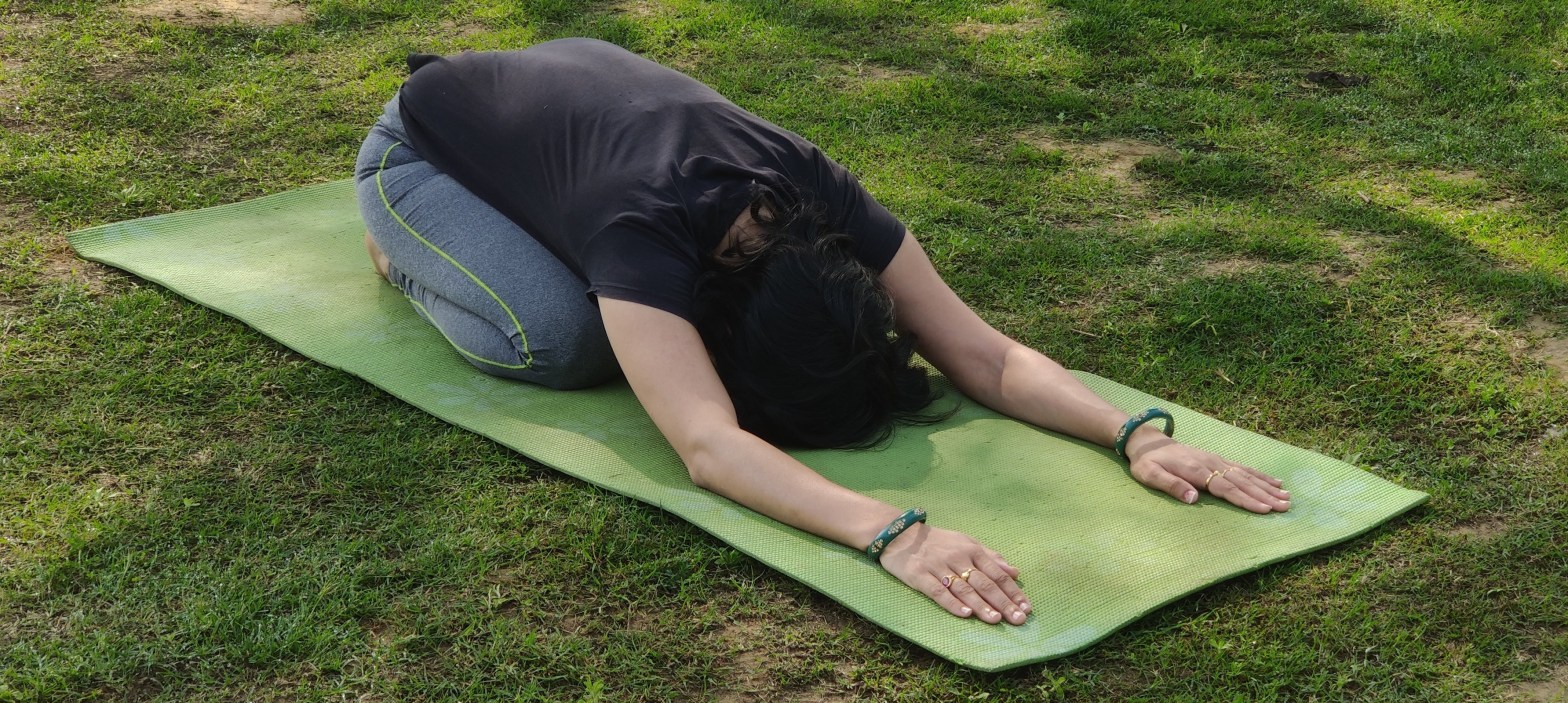
 Depths of Yoga